



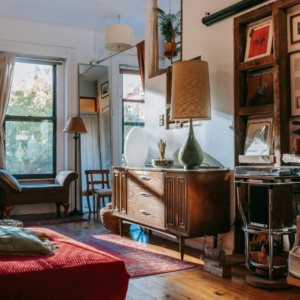
18-year-old Sofiia analyses the latest interior design trends among Gen Z
When it comes to interior design, minimalism and muted colours have been in favour for a very long time.This trend is particularly popular with millennials, who ran away from the overcluttered homes of their parents and embraced a cleaner, simpler style.
Now, however, it makes sense for Gen Z to walk away from minimalism, knowing how to find a balance between clutter and simplicity.
Harbingers’ Weekly Brief
Subscribe to the Harbingers’ Weekly Brief, a newsletter written by the editorial board of Harbingers’ Magazine, the world’s youngest newsroom, delivered to your inbox every Monday morning.
![slide image]()
![author_bio]()


This notion also follows the “pendulum theory”, which states that things swing in one direction until they reach a tipping point (usually driven by a popular mood) and then swing back. It can apply to politics, art, fashion, almost anything. When utilising this theory in interior design, it becomes easier to predict certain trends.
If we’re talking more specifically, then the colours beige and grey come to mind. But Gen Z are not settling for sofas in boring colours. Instead, they’re opting for patterns, fun shapes, textures and other kinds of curious things. The general aesthetic is more diverse, with lots of colours and mixes between different styles.
Globalisation could be partly responsible for these new trends, with people combining styles from different cultures – as in Japandi,a mix of Scandinavian and Japanese design – and creating something they can call their own.
Also, Gen Z started to notice interior design more during the Covid-19 pandemic, because we had to spend so much time inside – and continue to do so. This has resulted in some new trends, which Gen Z are using more and more in their daily lives.
For example, there’s the “unexpected red theory”, which states that a little pop of red in the form of a vase or a frame here and there will tie a room together. If you look at pictures of well-decorated apartments, you will start seeing this theory in action. People rarely notice the reds when they are diluted enough by other colours.
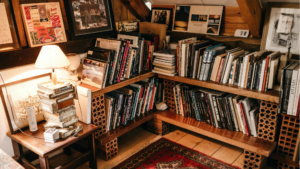
Another design trend enjoyed by Gen Z is “intentional clutter”.This focuses on arranging objects to create a warm, lived-in aesthetic rather than a bare, minimalist space. It leans into maximalismby making it feel organic and personal.
Referring to the pendulum theory again, this is closer to the kind of interior design that pre-dated minimalism. It can be achieved by filling bookshelves with other things than books, such as trinkets, statement pieces or meaningful souvenirs, while still keeping the collection of items curated.
Millennials and Gen Z are achieving these looks by thrifting– also known as second-hand shopping – since it’s a more sustainable practice than buying new things. It also suits their finances, which tend to be more limited than those of previous generations.
Others argue that furniture and decor today lack the quality of the past, which is why they prefer to find older or antique items. Secretary/writing desks, china cabinets and old-fashioned armchairs are redefining how contemporary homes looks.
What is your interior design style?
What is your stance on interior design? Do you prefer simple minimalism, or do you want your home to be whimsical or have cottage-inspired elements?
It is important to ask yourself such questions, to explore your identity through design and decorate your home the way you want to.
If you’re young and about to move out of your family home, perhaps to start university or take a gap year, thus breaking free from your parents’ influence on your spaces, you might want to examine your own tastes.
Some people like to keep it modest, others prefer to flaunt designs and textures. Find out where you fall on this spectrum – and happy thrifting!

© 2026 The Oxford School for the Future