



17-year-old Mutaz explores what Labubu’s popularity reveals about modern consumer culture
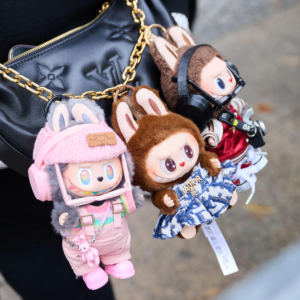
A new trend has taken over our high streets and social media feeds: Labubu. It is increasingly hard to cross a street without spotting one of these ‘ugly-cute’ furry creatures dangling from a keyring, clipped to a bag or tucked into a coat pocket.
But what exactly are Labubus and why have they become such a global phenomenon? This explainer sets out what you need to know about so-called “Labubu mania”.
Harbingers’ Weekly Brief
Subscribe to the Harbingers’ Weekly Brief, a newsletter written by the editorial board of Harbingers’ Magazine, the world’s youngest newsroom, delivered to your inbox every Monday morning.
![slide image]()
![author_bio]()
![author_bio]()


What is Labubu?
Labubu is a line of collectible plush toys consisting of zoomorphic elf-like characters designed with exaggerated facial features including large teeth and sharp ears.
Each doll appears in a different variation of skin tone, eye colour, size, clothing and facial expression, making them highly collectible.
Created in 2015 by Hong Kong-based artist Kasing Lung, Labubu first appeared in a series of illustrated books. The character draws inspiration from European folklore, which gives Labubu its slightly fantastical aesthetic. Although introduced over a decade ago, Labubu surged in popularity in 2024.
What distinguishes Labubu from traditional ‘cute’ plush toys is the blend of sweetness and strangeness. The figure’s offbeat design challenges conventional ideas of cuteness, broadening its appeal beyond children to adult collectors and design enthusiasts.
Its commercial success has been significant.
Labubu products generated approximately £474min revenue in the first half of 2025, reflecting the rapid rise in global demand.
Who sells them?
Chinese collectibles company Pop Mart holds the exclusive licensing rights to produce and sell Labubu figures.
Pop Mart is known for popularising the ‘blind box’ model: sealed packages that prevent consumers from knowing which type of specific figure is inside. Buyers only discover what they have purchased after opening the package. This element of surprise introduces a gambling-like excitement and encourages repeat purchases among collectors seeking rare editions.
By combining distinctive design with scarcity marketing, limited editions and the thrill of chance, Pop Mart has positioned Labubu as both a toy and a lifestyle collectible.
Prices vary widely depending on the edition or rarity. Standard figures may start around $17.99 and exceed $1,200, depending on the size, edition, release date and features of the toy.
High demand frequently leads to stock shortages, sometimes forcing people to purchase Labubus at higher prices from secondary resellers, often referred to as “Labubu dealers”. The surge in demand has also led to the appearance of cheaper, counterfeit versions – commonly nicknamed “Lafufus”.

Who is buying Labubu?
While Labubu has become particularly popular among Gen Z on social media, adults appear to make up an even larger share of buyers.
According to one report, 45.1% of Labubu purchases are made by adults, compared with 40.4% by Gen Z consumers. The figure functions as both a fashion accessory and a cultural marker. Clipped to designer bags or streetwear, Labubu has become part of a broader visual language associated with individuality and trend awareness.
The resale market has also fuelled demand. Limited releases often sell out quickly, driving secondary sales at significantly higher prices through independent resellers.
How did Labubu go global?
Labubu’s rise coincided with the rapid expansion of social media marketing. Platforms such as TikTok and Instagram amplified unboxing videos and collection showcases, exposing the brand to a global audience.

Celebrity visibilityalso played a role. Labubu gained significant attention after being showcased by Lisa (Lalisa Manobal) of Blackpink, who frequently shared her collection online. Other celebrities spotted with Labubus include Dua Lipa, David Beckham and Kim Kardashian, further amplifying the toy’s presence in global pop culture.
Pop Mart invested heavily in digital marketing campaigns, capitalising on the visual appeal of blind-box reveals. One promotional videohad more than six million views by the end of 2025, demonstrating the power of viral visibility.
The franchise is now expanding beyond collectibles. Pop Mart has partneredwith Sony Pictures to develop a live-action Labubu film with filmmaker Paul King – best known for directing the 2014 and 2017 Paddington films.
Why the obsession?
The Labubu craze can be examined through both psychological and economic lenses.
One commonly cited theory is the “lipstick effect” – the idea that during economic uncertainty, consumers tend to buy more small luxury goods while cutting back on large purchases.
In the aftermath of Covid-19 and amid ongoing global instability, consumers have once again turned to what some describe as “stress buying”. Collectibles such as Labubu offer a sense of novelty, control and pleasure at a comparatively modest cost.
Social dynamics also play a role. As more young people began purchasing Labubus, a form of herd behaviour emerged. Ownership became associated with luxury and status signalling. In this sense, Labubu operates not only as a product but as a marker of participation in contemporary consumer culture.
What can other brands learn?
Labubu’s rise illustrates several lessons for businesses seeking to build cultural relevance.
First, distinctive design matters. Labubu’s aesthetic differentiates it from traditional plush toys and positions it within art-driven consumer culture.
Second, adaptability is key. Multiple variations, limited editions and collaborations allow the brand to continually refresh demand.
Third, digital amplification is essential. Strategic use of social media and influencer culture transformed a niche character into a global phenomenon.
However, the trend also raises questions about consumer psychology, scarcity marketing and the gamification of retail. Whether Labubu proves to be a lasting cultural symbol or a cyclical trend remains to be seen.
What is clear is that Labubu reflects broader shifts in how products become symbols, and how, in the digital age, collectability, community and visibility can be transformed into commercial success.

Edited by:

© 2026 The Oxford School for the Future